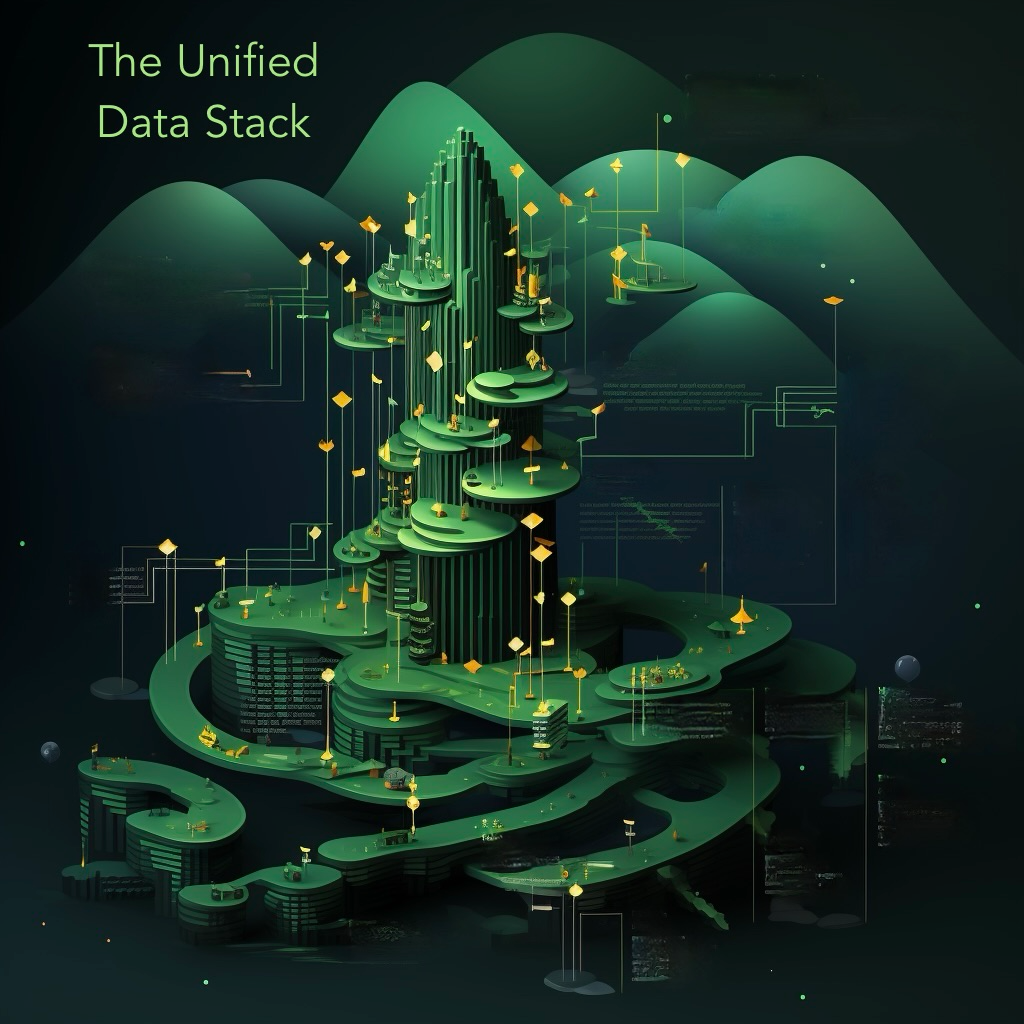
In the era of data-driven decision-making, businesses face a growing need for efficient and streamlined data processing. While the modern data stack has gained popularity as a comprehensive solution, its drawbacks in terms of cost, complexity, security and more make it a poor choice for most organizations, as we discussed in Part I of this series. It’s time to consider an alternate approach: the Unified Data Stack.
Unlike the modern data stack, which requires the assembly of multiple tools and technologies, a unified data stack consolidates various data processing components into a single integrated system. This simplifies the implementation process, making it more accessible to organizations of all sizes.
Let’s explore the advantages of adopting a unified data stack, and discuss why it offers a superior solution for organizations seeking simplicity, cost-effectiveness, and seamless integration.
Simplicity and Ease of Implementation
Assembling the components of a modern data stack is no small feat of data engineering. On the other hand, with a unified data stack the absence of any need to manage and integrate multiple tools massively reduces complexity, training requirements, and potential compatibility issues.
This streamlined approach allows organizations to focus on utilizing data insights rather than getting caught up in the technical intricacies of getting the data.
Cost-Effectiveness
All upfront and long-term costs considered, implementing and maintaining a modern data stack can be a significant financial burden for organizations. On the other hand, a unified data stack offers cost-effectiveness through consolidation. By leveraging a single system, organizations can reduce licensing fees, infrastructure costs, and personnel requirements.
Furthermore, unified data stack solutions often provide flexible pricing models, allowing businesses to scale their data processing needs without incurring excessive expenses.
This affordability makes the unified data stack an attractive option for organizations with limited budgets or those seeking to optimize their resource allocation.
Seamless Integration and Data Consistency
The unified data stack assembles various data processing functionalities under one umbrella, enabling seamless integration and data consistency. With a unified system, organizations can ensure that data flows seamlessly across different stages of the processing pipeline, eliminating the need for complex data transformations or reconciliations.
This cohesive approach enhances data integrity, reduces errors, and provides a holistic view of the organization’s data landscape. By taking data that might be siloed in different departments and stored in dispersed locations and unifying in terms of accessibility, organizations can make better-informed decisions, identify patterns, and discover insights without being hindered by fragmented or inconsistent data sources.
Flexibility and Scalability
A unified data stack offers flexibility and scalability, allowing organizations to adapt to changing business requirements. Whether it’s adding new data sources, expanding data processing capabilities, or accommodating a growing user base, a unified system can easily scale to meet evolving needs.
This agility eliminates the need for complex integrations or migrations, saving valuable time and effort. Additionally, unified data stack solutions often provide pre-built connectors and APIs, facilitating seamless integration with other tools or systems as needed.
Enhanced Data Governance and Security
With a unified data stack, organizations can establish robust data governance practices and ensure better data security. By centralizing data processing, it becomes easier to implement access controls, define data policies, and monitor data usage.
This centralized approach improves data accountability and compliance, reducing the risk of data breaches or unauthorized access. Organizations can have greater control over their data, mitigating privacy concerns and aligning with regulatory requirements.
Conclusion
While the modern data stack has gained popularity, the unified data stack offers a superior solution for organizations seeking simplicity, cost-effectiveness, and seamless integration. With its streamlined implementation process, affordability, seamless integration, flexibility, scalability, and enhanced data governance, the unified data stack provides a holistic and efficient approach to data processing.
By adopting a unified data stack, organizations can focus on deriving meaningful insights from their data, enabling data-driven decision-making and gaining a competitive edge in today’s data-rich world. If you’d like to learn about how Promethium offers a Unified Data Stack, read on.
SHARE THIS: